

Brochures remain a cornerstone of business marketing strategies, proving their enduring effectiveness in capturing audience attention and driving engagement. Even in the digital age, a significant amount of companies still use brochures for that physical effect and impact. Although it might seem that the use of them has somewhat declined, a study by the British Print Industry Federation has found that 85 % of UK businesses still use brochures for promotional purposes. Here at MGW, we aim to produce professional work that will effectively represent your business.
Here are our whopping 16 tips that could help produce a brochure perfect for your business.
1) Define your objectives
Before diving into design and content creation, it’s crucial to clarify your objectives. What do you aim to achieve with your brochure? Are you promoting a specific product or service? Do you want to increase brand awareness or generate leads?And of course where, when and how will the brochures be used. Defining your goals will guide the entire brochure creation process.

2) Know your audience
Understanding your target audience is key to creating a brochure that resonates with them. Consider their demographics, preferences, pain points, and needs. Tailor your messaging and design elements to appeal to your audience and address their interests effectively.
3) Plan your content
Outline the content you want to include in your brochure. This may include:
- Company overview and mission statement
- Product or service offerings
- Key features and benefits
- Testimonials or case studies
- Contact information and call-to-action (CTA)
Organise your content in a logical flow to ensure a smooth reading experience for your audience.

4) Design your brochure
Now it’s time to bring your brochure to life visually. Consider the following design elements:
- Layout: Choose a layout that complements your content and enhances readability. Common options include bi-fold, tri-fold, or gate-fold.
- Branding: Incorporate your company’s branding elements such as logo, colours, and fonts to maintain consistency with your overall brand identity.
- Typography: Select fonts that are easy to read and align with your brand’s tone and personality.
5) Choose the right theme
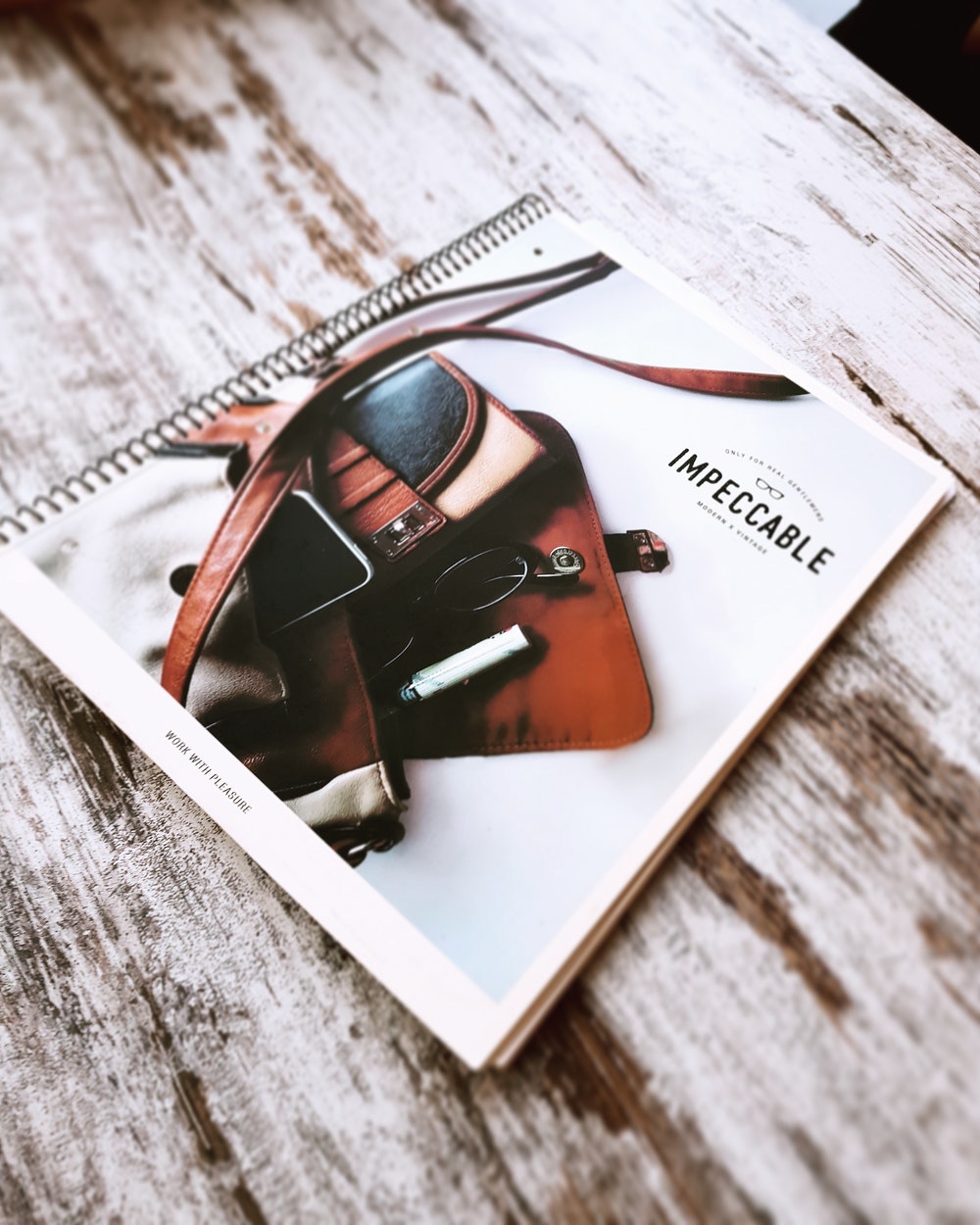
The theme of your brochure will represent the message of your company highly, so it is an important factor you need to consider thoroughly. Once you have decided your theme, you need to ensure your team including yourself understand how the theme will relate to the message, because once you have begun production, I would avoid attempting to re-access as it can make your team, as well as your final product look confused and unprofessional. Also, the theme and colour scheme are elements that could possibly be your audience’s first impression of your brand, so both need to be at a suitable standard in order to be representatives of your company. Overall, all of the products created by (or for) your business will affect how it is portrayed; therefore, all of the features, including your theme, should be decided confidently, and contain useful, clear content.
t6) Consider materials and Texture
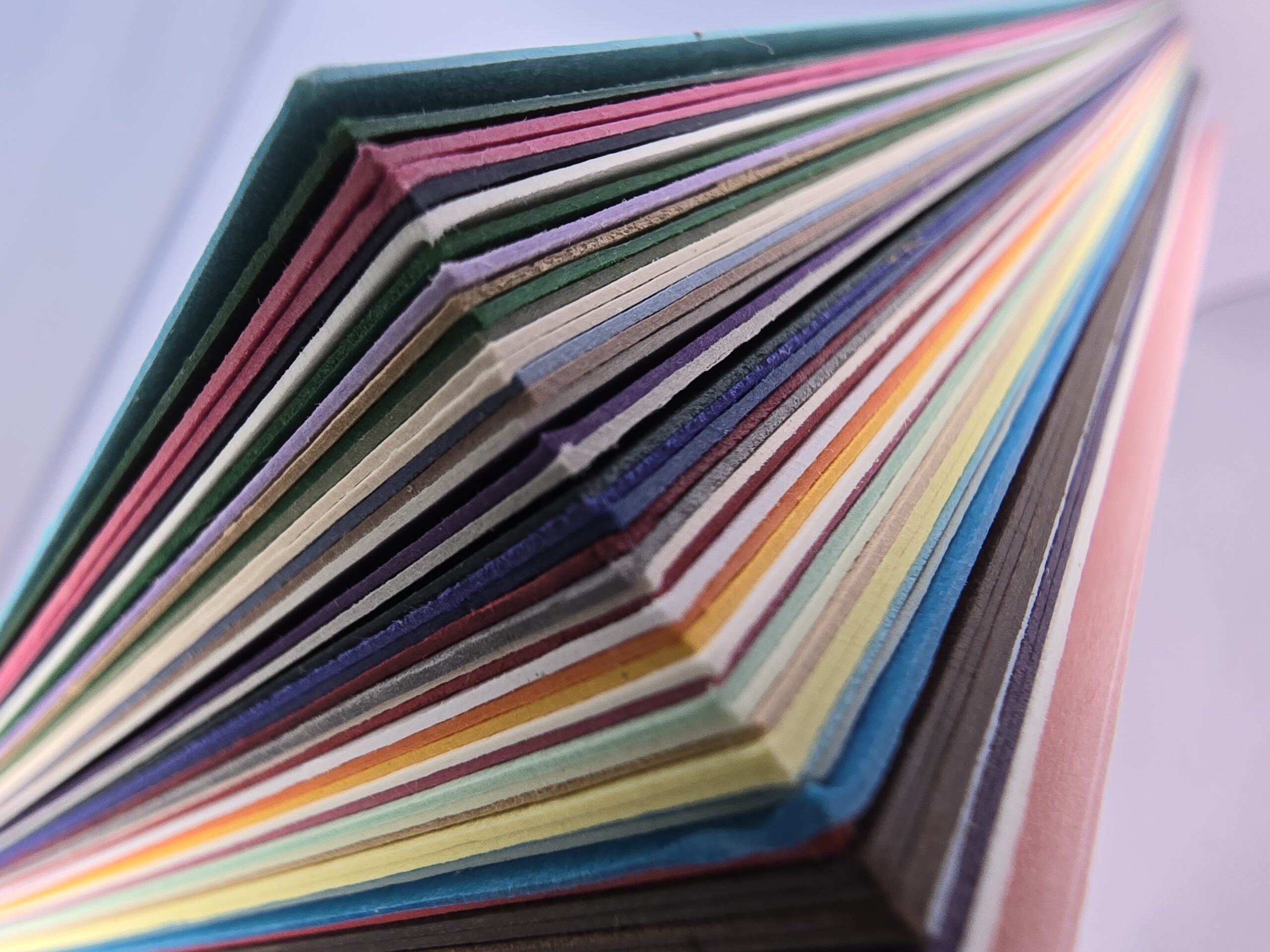
The material you use can relate very well depending on the purpose of your brochure. For example, if you use recyclable paper, it gives your audience the impression that your company is environmentally friendly, or involved with recycling somehow. Your brochure will contain images and information regarding your intentions and services, therefore it is vital you include necessary and effective features in your final product, so it gets your intentions and services across clearly.
On the other hand, sometimes photography isn’t enough to deliver your message to your audience. Sometimes, you need to add some texture to not only add interaction to the audience, but also solid evidence. We aren’t recommending adding velvet and tissue paper on each page like a school project, however it can portray you to be not only more professional, but more reliable too. For instance, if a paint company chose to include textural patterns rather than photographs of swatches, it shows solid evidence of the services you provide just from the brochure your audience possesses, which serves the whole purpose.
7) Use high quality images
Your brochure, as well as any other product that represents your brand, will reflect highly on your company. That’s why you need to ensure the overall presentation is of a high standard. This means focusing on images. Those images should be relevant to the theme and content, and also have high resolution – if your photos are blurry it will cause your company to seem lazy and unprofessional, which can dramatically effect the company. In order to prevent this, it may be worth using Unsplash (a website dedicated to sharing copyright-free photography) or even hiring a professional photographer. This way, your brochure can contain professional photography which shows your dedication to the audience.


c8) Write compelling Content
Craft engaging and persuasive copy that effectively communicates your message and motivates action. Keep your language clear, concise, and benefits-oriented. Highlight what sets your company apart from the competition and how your products or services can solve your audience’s problems or fulfil their needs.
9) Encourage your audience to take action
A successful business brochure will encourage the reader to take action. So if your audience is interested, it’s important they are guided effortlessly to your contact information so they can communicate with you and your team. After all, your company created this brochure to chase your target audience, not so they can be told to chase you. It can be as easy as “call us on…” or “visit us at…” , just ensure that the next step is explicitly clear and not located elsewhere.
10) Jump the digital divide
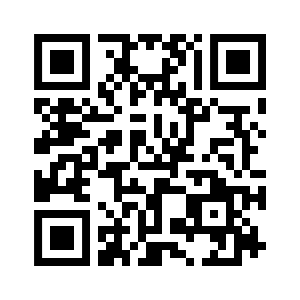
Nowadays you can combine the advantages of the digital experience with the physical, known as phygital. Adding QR codes as calls to actions or links. This could be to download a product app, find out more on the website, book a demo or more. Some product brochures use this to start an AR experience (augmented reality) – where you can place a sofa in your room or have a dinosaur jump out of the page. You can get really strategic and creative with this use of your brochure to the best of your ability to meet those company objectives. Visit the QR code generator for your brochures.
11) Surprise those viewers
Despite what I mentioned earlier, simple designs aren’t always boring and can also be effective. Furthermore, you could have a title page that has a simple clean face – the effect is quite modern and also allows the audience to just focus on the title and what could be inside. Then when the brochure is opened, it could be filled with colours and patterns that not only compliment the title page, but catches the readers by surprise as well. Doing this could catch your target audience’s eye, so simple can have a big impact.

12) Review and revise
Before sending your brochure to print, thoroughly review and revise both the design and content. Poof read for any grammatical errors, inconsistencies, or design flaws. Consider seeking feedback from colleagues or trusted individuals to ensure your brochure is polished and professional, they can always see errors you cannot!
13) Distribution and numbers
Once you’re satisfied with your brochure, it’s time to print and distribute it to your target audience. Choose a reputable printing management service that offers quality printing and finishes. Consider your distribution channels, whether it’s handing them out at events, mailing them to prospects, or displaying them in your office or store. Then after you have done that you will have a better idea of how many you need and how often they will be used. These days you can print digitally in small numbers very cost effectively and you won’t necessarily need a vault with tons of brochures as there were so much cheaper to print using litho.

14) Have it printed professionally
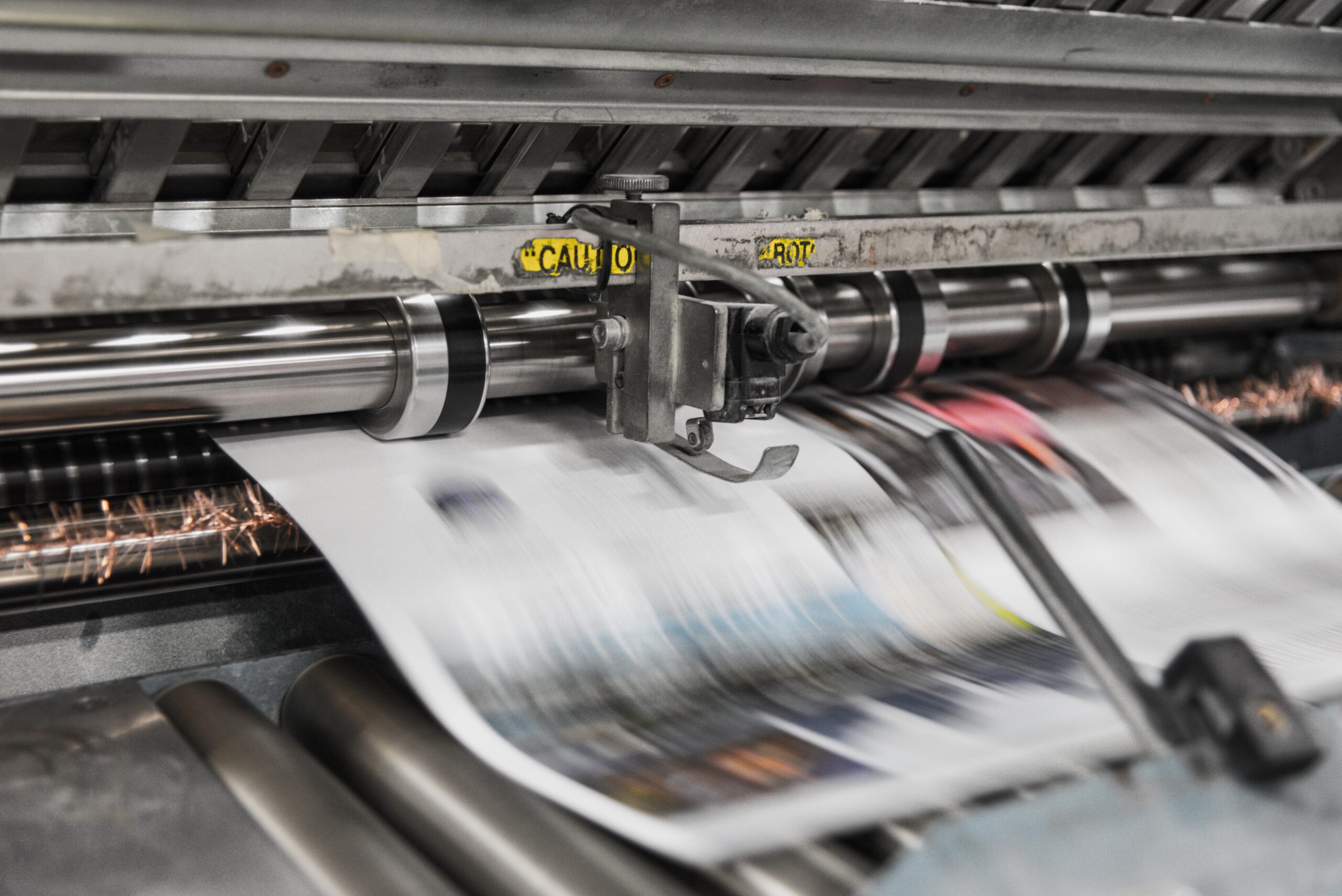
You’ve spent time, efforts and maybe even money creating an attractive brochure that will represent your brand. You don’t want to undo your great work by printing with low-quality materials and equipment, do you? No. By having it professionally printed, you can achieve results that will sell. Don’t be afraid to contact us if you are ever in need of a professional printing team.
15) Measure and track
After distributing your brochures, track their performance and measure their impact on your marketing efforts. Monitor metrics such as website traffic, lead generation, or sales attributed to your brochure or even just comments from clients and the sales team alike. Use this data to refine your future marketing strategies and optimise your brochure for better results.
By following these simple steps, you can create a compelling marketing brochure that effectively promotes your company and engages your target audience. Ready to get started? Let’s print some magic!
Thank you for reading and give us a shout if you want some help! Good luck and let me know how you get on…
(Some more reading on the subject:
Recent Comments